
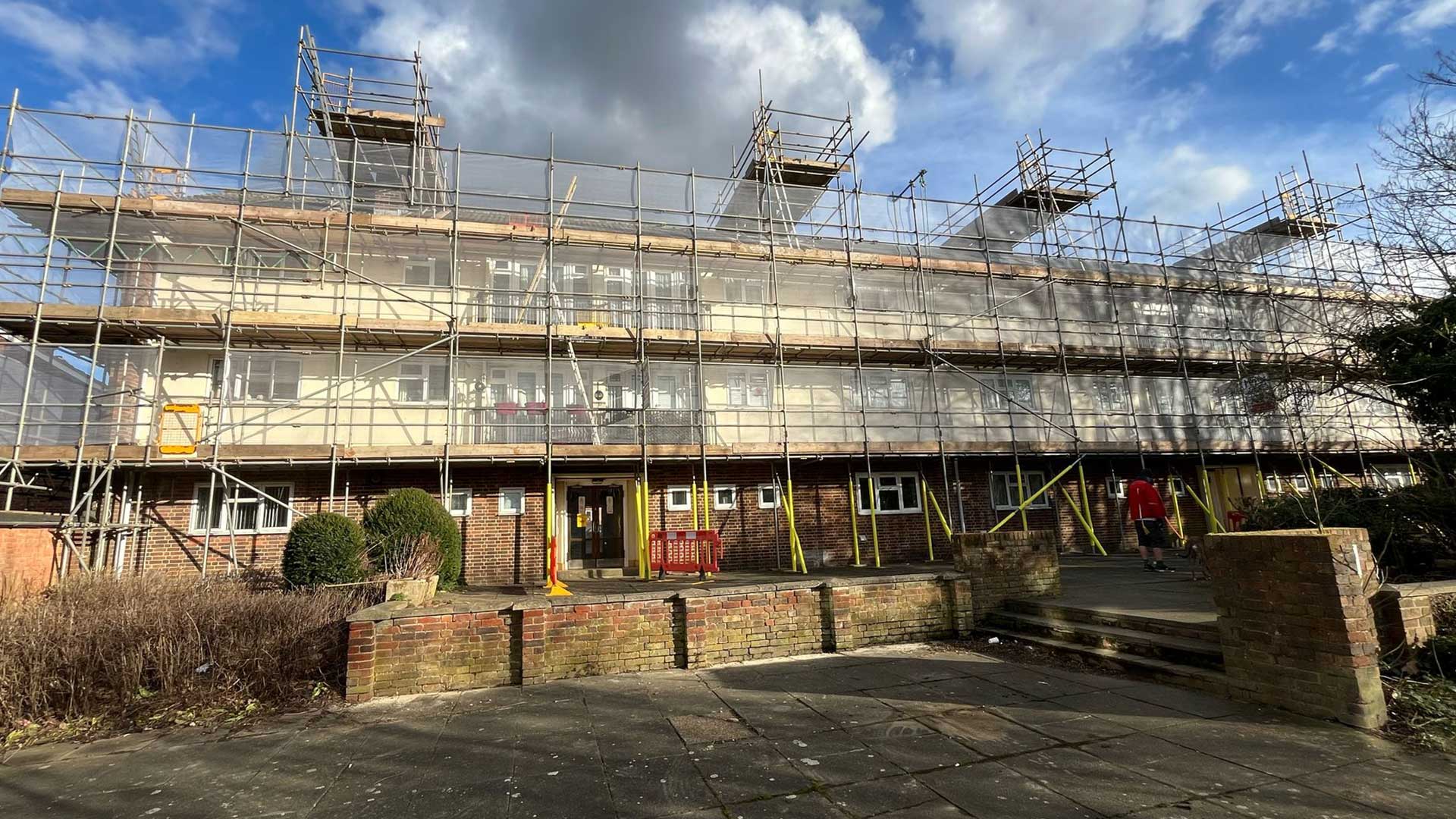
Are DIY Scaffold towers safe?
If you’re tackling a home improvement project that requires working at height, you might be tempted to build your own scaffold tower to save time and money. But before you start stacking planks and poles, it’s important to ask: Are DIY scaffold towers actually safe? The short answer? No. And here’s why.
What is a DIY Scaffold Tower?
DIY scaffold towers are makeshift structures assembled by individuals without professional training. Often built using whatever materials are available, these towers are used for painting, roofing, and other household tasks. While they might seem like a cost-effective solution, they lack the safety features and structural integrity of certified mobile access towers.
The Dangers of DIY Scaffold Towers
When it comes to working at height, safety should never be an afterthought. Unfortunately, DIY scaffold towers come with several serious risks:
1. Poor Structural Stability
A professionally designed scaffold tower is tested to meet safety standards, ensuring it can support weight and withstand external forces. In contrast, a DIY tower might be made from mismatched materials that are not meant to hold the same loads, leading to collapses and falls.
2. Lack of Proper Safety Features
Certified scaffold towers include essential safety features like:
- Guardrails to prevent falls
- Stabilizers to keep the tower steady
- Secure platforms with proper weight limits DIY towers often lack these critical components, making them incredibly dangerous.
3. No Training = Higher Risk of Mistakes
A big problem with DIY scaffold towers is that they’re often assembled by people with no formal training. Without proper knowledge, it’s easy to make dangerous mistakes, such as:
- Failing to secure the base properly
- Overloading the structure
- Using the wrong type of materials These errors increase the risk of accidents, making DIY towers a gamble with safety.
4. Increased Risk of Falls and Injury
Falls from height are one of the leading causes of serious injuries and fatalities in construction. Without guardrails, proper bracing, and a stable structure, a DIY tower significantly increases the risk of falling.
5. Legal and Insurance Issues
Using unsafe equipment can have legal consequences. If an accident occurs on a non-compliant scaffold tower, you could face hefty fines or even be held liable. Additionally, many insurance policies do not cover injuries caused by unsafe or uncertified equipment, leaving you financially exposed.
What Experts Say: PASMA’s Warning
The Prefabricated Access Suppliers’ and Manufacturers’ Association (PASMA), a leading authority in mobile access tower safety, strongly advises against DIY scaffold towers. They recommend only using professionally manufactured towers that meet industry standards like BS EN 1004. PASMA also emphasizes the importance of proper training for anyone working at height.
How to Work Safely at Height
If you need to use a scaffold tower, follow these safety guidelines:
- Get Proper Training: Anyone working at height should be trained in scaffold tower safety. PASMA offers courses to help ensure safe use.
- Use Certified Equipment: Only use scaffold towers that meet safety regulations and are built for the job.
- Conduct Regular Inspections: Check the scaffold tower before each use to ensure it is stable and in good condition.
- Follow the Manufacturer’s Instructions: Always assemble and use the scaffold tower as directed.
- Use Personal Protective Equipment (PPE): Safety gear like harnesses, helmets, and non-slip footwear can prevent accidents.
Final Thoughts
DIY scaffold towers might seem like a quick and cheap solution, but the risks far outweigh any potential savings. Accidents from unstable scaffolds can lead to serious injuries, legal trouble, and financial losses. Instead, invest in proper equipment and training to ensure safety when working at height. Remember, no shortcut is worth risking your life for!
Contact the Master team
Simply head over to the Contact page and either fill in our website form or drop us an email at info@masterscaffoldingltd.com and we’ll get right back to you.


